
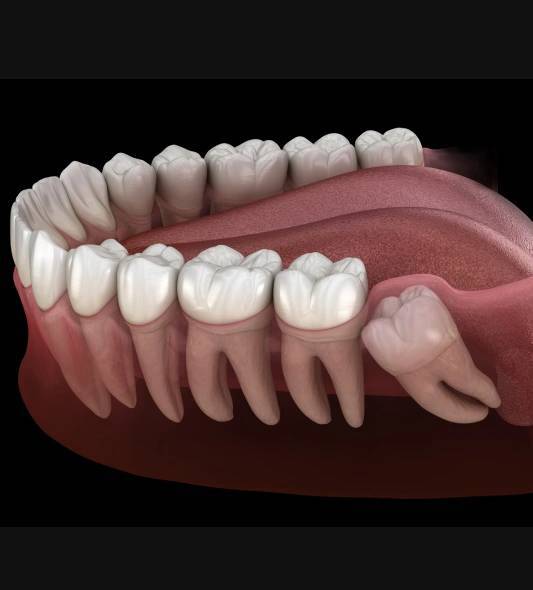
At Gibbons Dental, Dr. J Gibbons evaluates the position of the third molars and checks for inflammation, infection, and pressure on nearby structures. Patients seeking oral surgery In Gilbert can receive a complete assessment to determine whether their symptoms are dental-related and whether removal should be considered.
Can Wisdom Teeth Trigger Headaches?
Yes, they can contribute to headaches in some people. This is more likely when a third molar is impacted, partially erupted, infected, or pressing against a neighboring tooth. The discomfort may travel through the nerves and muscles of the jaw, creating referred pain in the temples or other areas of the head.
Still, not every headache has a dental origin. Migraines, sinus infections, temporomandibular joint disorders, teeth grinding, and other conditions can produce similar symptoms. At Gibbons Dental, our dental team will perform a dental examination and take X-rays to determine whether the back molars are involved. If the examination reveals impacted wisdom teeth, oral surgery in Gilbert, AZ, may be required to remove them.
Signs Your Headache May Be Related to a Third Molar
A headache alone cannot confirm the cause. Pay attention to symptoms that occur around the same time, especially discomfort in that area of the mouth.
Possible warning signs include:
- Dull or throbbing pain near the back molars
- Jaw pain that spreads toward the ear or temple
- Swollen, red, or tender gum tissue
- Difficulty opening the mouth fully
- Pain while biting or chewing
- Persistent bad breath or an unpleasant taste
- Facial swelling on one side
- Pressure against the neighboring molar
- Fever or swollen lymph nodes when an infection is present
Symptoms may come and go during eruption. Persistent or worsening pain deserves prompt evaluation.
Why Wisdom Teeth May Cause Head and Jaw Pain
Pressure During Eruption
Third molars usually appear during the late teens or early twenties. As a tooth pushes through the gum, temporary soreness and pressure may develop. Tight jaw muscles can then contribute to a tension-like headache.
Impaction Beneath the Gum or Jawbone
A tooth becomes impacted when there is not enough room for it to erupt normally. It may grow sideways, remain trapped, or emerge only partially. The resulting pressure can irritate nearby tissues and create radiating facial pain.
Gum Inflammation and Infection
A partially erupted tooth can leave a flap of gum where food debris and bacteria collect. This may cause pericoronitis, an inflammatory condition marked by swelling, tenderness, an unpleasant taste, and difficulty opening the mouth. Infection-related pain can extend into the jaw and head.
Muscle Strain and Bite Changes
Pain near the back of the mouth may cause a person to chew differently or hold the jaw in an unnatural position. This can overwork the chewing muscles and place additional stress on the temporomandibular joints. Muscle tension may then spread toward the temples.
Cavities, Cysts, or Damage to Nearby Teeth
Hard-to-clean third molars have a greater risk of tooth decay and gum disease. An impacted tooth may also damage the adjacent molar or, less commonly, develop a cyst around it. These problems can produce deeper jaw pain that feels like a headache.
How to Find Temporary Relief
Home care may reduce discomfort, but it cannot correct impaction, decay, or infection. Until your evaluation:
- Apply a cold compress to the outside of the cheek for short intervals.
- Rinse gently with warm salt water to soothe irritated gum tissue.
- Eat soft foods and avoid chewing on the painful side.
- Keep the area clean with careful brushing.
- Avoid placing aspirin directly against the gums.
- Do not use leftover antibiotics or medication prescribed to another person.
If pain continues beyond a day or two, schedule an examination. Oral surgery may be necessary when a tooth repeatedly causes infection, damages nearby structures, develops decay, or remains painfully impacted.
When Should You Visit Our Dental Office?
Visit our dental office if you experience headaches with jaw stiffness, gum swelling, chewing pain, or pain around the second molars. During the appointment, the dentist will review your symptoms, examine the area, and use dental imaging to see the tooth’s angle and position.
Patients considering oral surgery In Gilbert will receive an explanation of the findings and available options. A symptom-free tooth may only need periodic monitoring. Removal may be recommended when wisdom teeth cause ongoing pain, infection, gum disease, decay, cyst formation, or damage to an adjacent tooth.
If removal is appropriate, oral surgery planning may include a review of your medical history, anesthesia options, the procedure, recovery instructions, and potential risks.
Seek Urgent Care for Serious Symptoms
Contact a dental professional promptly if you develop fever, pus, rapidly increasing swelling, or severe pain. Go to an emergency department if facial or neck swelling makes breathing or swallowing difficult. These symptoms may indicate a spreading infection and should not be managed with home remedies alone.
Take the Next Step Toward Lasting Relief in Gilbert
Recurring headaches accompanied by back-jaw pain should not be ignored. A focused examination can distinguish third-molar trouble from other possible causes and determine whether monitoring, treatment, or removal is appropriate.
For an evaluation or oral surgery In Gilbert, contact Gibbons Dental and book an appointment. Addressing the source of the discomfort can protect nearby teeth, reduce the risk of recurring infection, and help restore comfortable jaw function.
Frequently Asked Questions
Q 1. Can wisdom teeth cause headaches every day?
Ans: An impacted or infected third molar may cause recurring pain that spreads into the jaw, temple, or head. Recurrent headaches can radiate from dental causes. Arrange an examination to identify the source instead of relying on pain medication alone.
Q 2. What does a dental-related headache feel like?
Ans: It may feel like a dull pressure or a throbbing sensation near the temples, ears, or sides of the jaw. Gum tenderness, chewing discomfort, swelling, or limited jaw movement may occur simultaneously. Dental imaging may be needed to confirm the cause.
Q 3. Will removing an impacted tooth stop my headaches?
Ans: Removal may reduce headaches when dental pressure, infection, or jaw-muscle strain is the confirmed trigger. It will not resolve headaches caused by migraines, sinus problems, or other medical conditions. A proper diagnosis should come before treatment.
Q 4. How is an impacted third molar diagnosed?
Ans: The dentist examines the gums, checks the bite and jaw movement, and reviews your symptoms. X-rays show whether the tooth is trapped, angled toward another molar, or surrounded by changes that require attention.
Q 5. When does an impacted tooth need to be removed?
Ans: Removal may be advised for repeated infection, persistent pain, tooth decay, gum disease, recurrent formation, or damage to a neighboring tooth. Teeth that remain healthy and symptom-free may be monitored with regular examinations.