
Thinking about straightening your teeth but can’t decide between Invisalign® and traditional braces? You’re not alone! It’s one of the most common questions people ask when exploring orthodontic treatment. Both options can help correct crooked teeth, close gaps, and improve your smile, but they work in different ways.
So, what do orthodontists actually recommend? The answer depends on your dental needs, lifestyle, treatment goals, and how consistently you can follow your treatment plan.
Let’s take a closer look at what makes Invisalign and traditional braces different, what orthodontic professionals consider when recommending them, and how to decide which option might be right for your smile.
Invisalign® vs. Traditional Braces: What’s the Difference?
Before choosing between the two, it helps to understand how each treatment works. Although both are designed to gradually move teeth into better positions, the way they achieve those results is quite different.
Invisalign® uses a series of custom-made, clear plastic aligners that fit over your teeth. Each set applies gentle pressure to move your teeth gradually. You’ll switch to the next set according to your dentist’s or orthodontist’s instructions, often every one to two weeks.
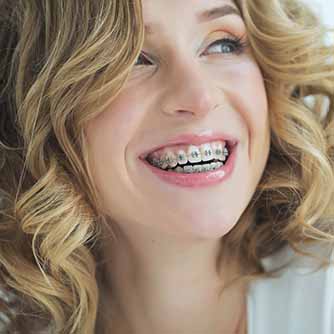
Traditional braces, on the other hand, use metal brackets attached to your teeth and connected by wires. Your orthodontist adjusts the system periodically to guide your teeth into their desired positions.
The biggest difference? Invisalign aligners are removable and nearly invisible, while traditional braces remain attached throughout treatment.
What Do Orthodontists Say About Invisalign®?
Orthodontists often appreciate Invisalign for its discreet appearance and flexibility. Since the aligners are clear, many people can straighten their teeth without drawing much attention to their treatment.
This makes Invisalign clear aligner especially appealing to adults and teens who want a less noticeable alternative to metal braces.
Here are a few benefits worth considering:
- Nearly invisible appearance: Clear aligners are difficult to notice during everyday conversations and photographs.
- Removable design: You can take them out when eating, drinking anything other than water, brushing, and flossing.
- Easier oral hygiene: Since there are no brackets or wires to clean around, maintaining your regular brushing and flossing routine is simpler.
- Fewer food restrictions: You can continue enjoying your favorite foods because you remove your aligners before meals.
- Comfortable fit: Smooth plastic aligners don’t have the brackets and wires that can sometimes irritate the inside of your cheeks.
However, orthodontists also point out that Invisalign requires commitment. Aligners generally need to be worn for 20–22 hours a day to keep treatment on track. Forgetting to wear them or frequently removing them can delay progress.
Invisalign can address many orthodontic concerns, but it isn’t suitable for every case. Complex tooth movements or certain bite problems may require a different treatment approach.
What Do Orthodontists Say About Traditional Braces?
Traditional braces have been used successfully for decades, and orthodontists continue to recommend them for a wide range of alignment and bite concerns.
One major advantage is that braces work continuously. Because they’re fixed to your teeth, you don’t have to remember to put them back in after meals or worry about accidentally leaving them at home.
Some key benefits include:
- Effective for complex cases: Braces can address significant crowding, rotated teeth, and many complicated bite problems.
- Constant treatment: They apply continuous pressure without depending on patient compliance with wearing removable appliances.
- Greater control over tooth movement: Orthodontists can use different adjustments and techniques to guide individual teeth.
- No aligners to remove: You don’t need to remember to wear trays throughout the day.
Of course, traditional braces come with a few challenges. Food can get trapped around brackets and wires, making cleaning more time-consuming. Certain hard, sticky, or chewy foods may also need to be avoided.
You may experience temporary soreness after getting braces or following adjustment appointments. Still, for many patients, the predictable and continuous nature of treatment makes braces an excellent choice.
Which Option Is Better for Your Lifestyle?
Your daily routine can play a surprisingly big role in choosing orthodontic treatment. Think about your work, school, eating habits, and how comfortable you feel wearing visible dental appliances.
If you’re a working professional who regularly attends meetings or speaks with clients, Invisalign may appeal to you because of its discreet appearance.
If you’re a teenager who enjoys sports, social activities, or simply doesn’t want to worry about remembering removable aligners, traditional braces may be worth considering.
For patients in Gilbert, AZ, looking to explore their smile improvement options, visit our dental office located at 3333 E Baseline Rd, Gilbert, AZ 85234, United States. The team at Gibbons Dental can help you understand your dental needs and discuss suitable treatment options.
Invisalign® vs. Braces: How Long Does Treatment Take?
One common misconception is that Invisalign is always faster than traditional braces. In reality, treatment time varies depending on the complexity of your case and how well you follow your treatment plan.
Some patients may complete Invisalign treatment in several months, while others need a year or longer. Traditional braces can also take anywhere from several months to a few years.
With Invisalign, wearing your aligners as instructed is essential. With braces, attending scheduled adjustment appointments and following your orthodontist’s instructions helps keep treatment progressing.
Your dental professional can provide a more realistic timeline after evaluating your teeth and bite.
Are Invisalign® and Traditional Braces Equally Effective?
Both treatments can produce excellent results when used for appropriate cases. However, neither option is automatically better for everyone.
Invisalign works well for many mild to moderate alignment concerns and can also treat selected complex cases with careful planning. Traditional braces offer greater flexibility for certain challenging tooth movements and complicated bite corrections.
The important thing is choosing a treatment that addresses your specific dental concerns rather than simply picking the option that looks more appealing.
So, Which One Should You Choose?
Ultimately, the choice between Invisalign and traditional braces comes down to your individual needs and preferences.
If you value a discreet appearance, removable aligners, and flexibility during meals, Invisalign may be a great fit. If you need more comprehensive tooth movement or prefer a treatment that works continuously without daily wear-time decisions, traditional braces may be the better option.
Before making a decision, schedule a dental consultation to discuss your goals, examine your teeth, and understand the benefits and limitations of each approach.
Ready to Take the First Step Toward a Straighter Smile?
A straighter smile isn’t just about appearance. Properly aligned teeth can make everyday brushing and flossing easier and may help improve certain bite-related concerns.
At Gibbons Dental, we believe choosing orthodontic treatment should start with understanding your smile and your options. Whether you’re interested in Invisalign® or want to learn more about traditional braces, getting professional guidance can help you make a confident decision.
Contact us today to schedule an appointment and take the first step toward a healthier, more confident smile!
Frequently Asked Questions
1. Is Invisalign® better than traditional braces?
A: Neither option is better for everyone. Invisalign offers clear, removable aligners, while traditional braces provide continuous tooth movement and can be suitable for complex orthodontic cases. The right choice depends on your dental condition, lifestyle, and treatment goals.
2. Do Invisalign® and traditional braces take the same amount of time?
A: Treatment time varies depending on the complexity of your dental concerns. Some Invisalign cases may take several months, while others require a year or longer. Traditional braces may take anywhere from several months to a few years. Your dental professional can provide an estimated timeline after evaluating your teeth.
3. Is Invisalign® more comfortable than traditional braces?
A: Invisalign aligners have smooth plastic surfaces and don’t use metal brackets or wires, which may make them more comfortable for some patients. However, both treatments can cause temporary pressure or soreness as teeth gradually move into position.
4. Can Invisalign® fix crooked teeth and bite problems?
A: Yes, Invisalign can correct many alignment concerns, including crowded teeth, gaps, and certain bite problems. However, some complex cases may respond better to traditional braces or require additional orthodontic techniques. A professional evaluation helps determine the most suitable approach.