
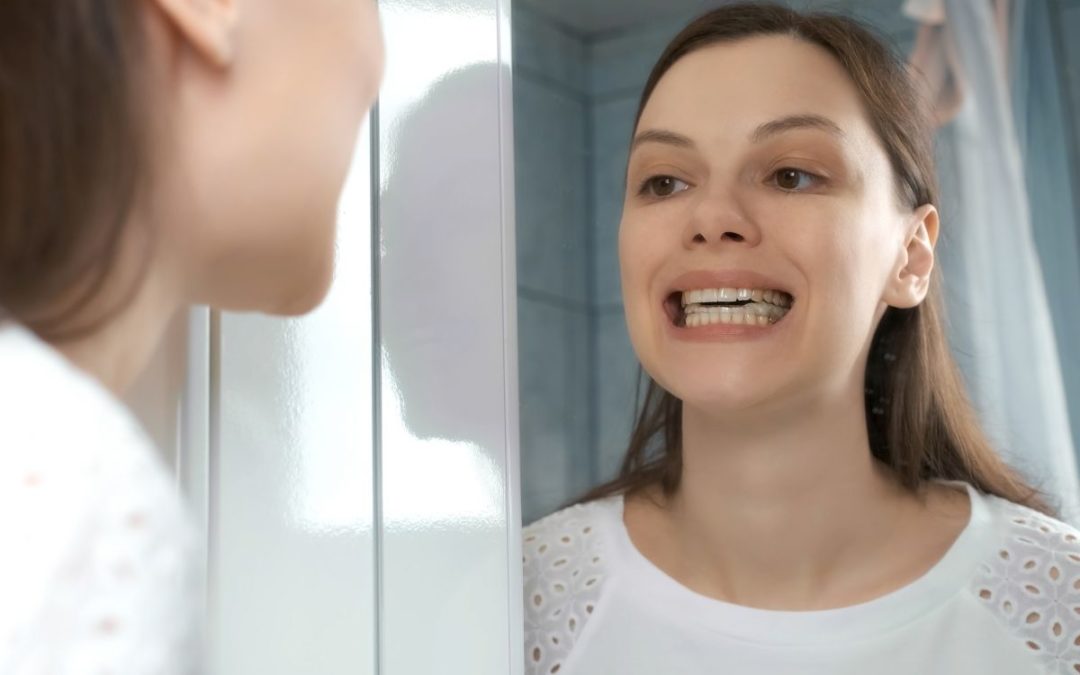
A night mouthguard can be a simple addition to your bedtime routine, but it is not something everyone necessarily needs. Also called a nightguard or dental guard, this custom-fitted device is designed to protect your teeth while you sleep. For people who grind or clench their teeth at night, wearing one may help reduce the wear and pressure placed on their teeth and jaw.
The tricky part is knowing whether you actually need one. You may not realize that you grind your teeth because it happens while you are asleep. Sometimes, the first clue comes from your dentist, who notices flattened teeth, small cracks, worn enamel, or tenderness in your jaw.
So, who should consider wearing a night mouthguard? Let’s look at the situations in which your dentist may recommend one.
People Who Grind Their Teeth at Night
Teeth grinding, also known as bruxism, is one of the most common reasons dentists recommend a night mouthguard. Bruxism can happen without you being aware of it because the grinding or clenching occurs while you are asleep.
Some people grind their teeth occasionally, while others do it frequently or with considerable force. Over time, repeated pressure can wear down the enamel, make teeth more sensitive, or contribute to chips and cracks.
You might wake up with a sore jaw, a headache, or teeth that feel unusually sensitive. A partner may also mention hearing grinding sounds during the night. During a dental exam, your dentist may see worn or flattened areas on the chewing surfaces of your teeth.
A nightguard creates a protective barrier between the upper and lower teeth, helping reduce direct tooth-to-tooth contact while you sleep.
People Who Frequently Clench Their Teeth
Not everyone with bruxism grinds their teeth. Some people primarily clench their jaw, pressing their upper and lower teeth together without making a noticeable grinding sound.
Clenching can still place considerable pressure on the teeth and jaw muscles. You may notice jaw tightness when you wake up, facial muscle soreness, or discomfort around the temples. In some cases, you may not notice anything until your dentist points out signs of excessive pressure on your teeth.
A properly fitted night mouthguard may help separate the teeth and reduce the forces associated with nighttime clenching. Your dentist in Gilbert can evaluate your symptoms and determine whether a mouthguard is appropriate for you.
People With Noticeable Tooth Wear
Your teeth are remarkably strong, but enamel is not indestructible. Repeated grinding, clenching, and other sources of excessive force can gradually change the appearance and structure of your teeth.
Your dentist may notice flattened biting surfaces, small chips, worn edges, or areas where the enamel has become thinner. These changes can develop slowly, so you might not notice them when looking in the mirror.
If your dentist determines that nighttime grinding or clenching is contributing to the wear, a nightguard may help protect your teeth from further damage. Protecting your natural teeth early can be much easier than dealing with significant damage later.
People With Certain Dental Restorations
Crowns, veneers, bridges, and other dental restorations are designed to restore or improve your smile, but they can still be affected by excessive biting forces. If you grind or clench at night, the additional pressure may contribute to damage or premature wear of some restorations.
This does not mean everyone with dental work needs a nightguard. The recommendation depends on your individual situation, the type of restoration you have, your bite, and whether you show signs of grinding or clenching.
If you have invested in restoring your smile, protecting that work can be an important part of maintaining it. Your dentist can determine whether a nightguard would be beneficial based on your oral health and habits.
People Who Wake Up With Jaw or Facial Discomfort
Morning jaw discomfort can sometimes be a sign that your muscles have been working overtime while you sleep. You might wake up feeling as though your jaw is tired, tight, or sore.
Some people also experience morning headaches or tenderness around the jaw muscles. These symptoms can have several possible causes, so they should not automatically be attributed to teeth grinding.
If your dentist suspects nighttime clenching or grinding, they can examine your teeth, bite, and jaw and ask about your symptoms. A nightguard may be recommended if the findings suggest that bruxism is contributing to your discomfort.
Can Children Wear Night Mouthguards?
Children can grind or clench their teeth too, particularly during certain stages of development. However, a child should not simply use an adult nightguard or an over-the-counter product without guidance from a dental professional.
Children’s mouths and jaws are still developing, and their dental needs are different from those of adults. Occasional teeth grinding may also occur without causing lasting problems.
If you notice your child grinding their teeth regularly, hear grinding sounds at night, or see signs of tooth wear, bring it up with their dentist. The dentist can determine whether monitoring is appropriate or whether treatment is needed.
Are Store-Bought Nightguards a Good Option?
Walk into a pharmacy or browse online and you will find plenty of boil-and-bite and ready-made mouthguards. They can be less expensive and more accessible than a custom dental appliance, but they may not fit as precisely.
A poorly fitting guard can feel bulky, uncomfortable, or difficult to keep in place. Some people may also find that they stop wearing it because it interferes with their sleep.
A custom nightguard is made based on the shape of your mouth and bite. Your dentist can also evaluate whether a particular type of appliance is suitable for your needs.
The right choice depends on your teeth, bite, symptoms, and the severity of your grinding or clenching. It is worth discussing your options with your dentist before choosing an appliance.
What Are the Benefits of Wearing a Night Mouthguard?
The main purpose of a night mouthguard is protection. By placing a barrier between the upper and lower teeth, it can help reduce direct contact caused by grinding and clenching.
Depending on your situation, a nightguard may help:
- Protect teeth from excessive wear
- Reduce the risk of chips and cracks related to grinding
- Protect certain dental restorations
- Reduce pressure on the teeth from nighttime clenching
- Help manage some symptoms associated with bruxism
A nightguard is not a cure for every cause of teeth grinding. It is better thought of as a protective tool that can help manage the effects of nighttime grinding or clenching.
How Do You Know If You Need a Nightguard?
You do not have to wait until a tooth cracks to ask about a night mouthguard. If you frequently wake up with jaw soreness, notice unexplained tooth wear, experience morning headaches, or have been told that you grind your teeth, make an appointment with your dentist.
During an examination, your dentist can look for signs of bruxism and evaluate your teeth, gums, bite, and jaw. They can then explain whether a nightguard makes sense for you and what type may be most appropriate.
It is also important to mention any dental restorations you have or any changes you have noticed in your teeth.
Protect Your Smile While You Sleep
You spend hours asleep every night, and during that time, you may be putting more pressure on your teeth than you realize. For people who grind or clench their teeth, a night mouthguard can provide an extra layer of protection and help reduce the effects of repeated tooth-to-tooth contact.
The best way to find out whether you need one is to have your teeth and bite evaluated by a dentist. If you have noticed worn teeth, morning jaw soreness, frequent clenching, or unexplained dental damage, bring it up at your next appointment.
Frequently Asked Questions
1. Who should wear a night mouthguard?
People who grind or clench their teeth while sleeping, have noticeable tooth wear, or experience morning jaw soreness may benefit from a night mouthguard.
2. How do I know if I grind my teeth at night?
Common signs include worn or flattened teeth, jaw soreness, morning headaches, tooth sensitivity, and a partner noticing grinding sounds while you sleep.
3. Can a night mouthguard protect my teeth from grinding?
Yes. A night mouthguard creates a protective barrier between your upper and lower teeth, helping reduce direct contact and protect against excessive wear.
4. Should I get a custom night mouthguard from my dentist?
A custom mouthguard is designed to fit your teeth and bite more precisely. Your dentist can determine whether it is appropriate based on your individual needs.
5. Can children wear a night mouthguard?
Children may grind or clench their teeth, but they should be evaluated by a dentist before using a night mouthguard because their teeth and jaws are still developing.