
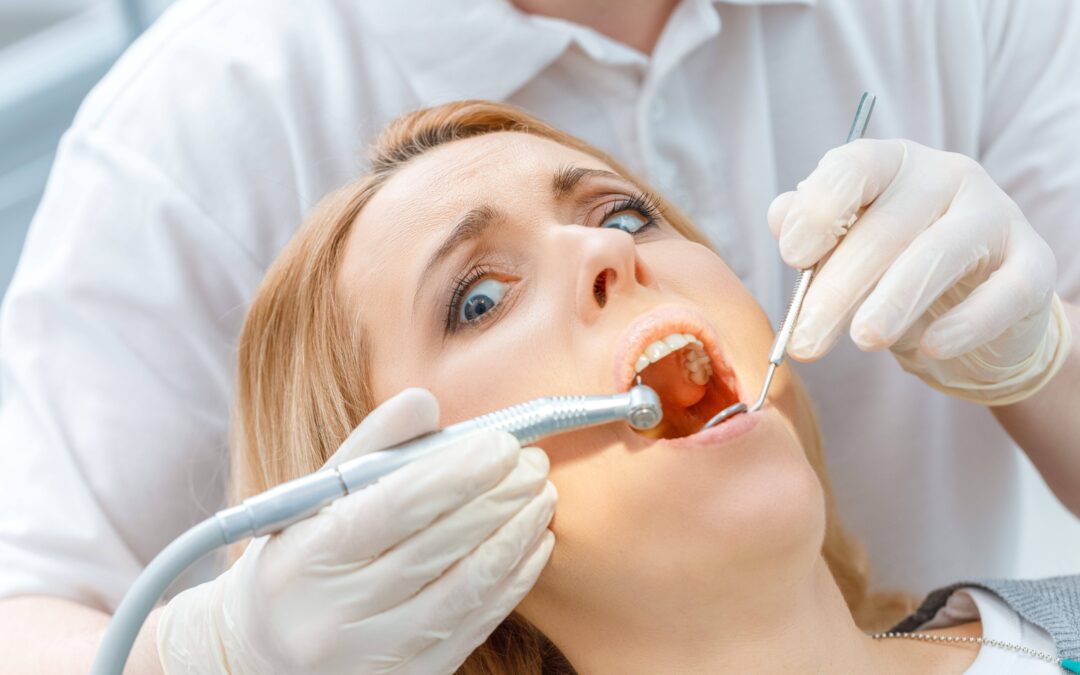
It’s an awful feeling. You’ve just bitten down on something hard and you felt a crunch, but the crunch wasn’t the food.. It was a filling that just cracked. While there’s nothing fun about experiencing something like this, it’s important not to panic.
What to Do When a Filling Comes Out of Your Tooth
If a cracked filling is so severe that a piece of it becomes loose, the first thing you should do is carefully remove it from your mouth. You don’t want to end up swallowing it or breathing it in. If you do accidentally swallow it, don’t panic. It normally passes without a problem. If you breathe it in, however, it could lead to a lung infection. Once you’ve got the filling safely out of your mouth, call the dentist right away.
Cracks can sometimes occur right after the filling is placed if the filling is higher than the rest of the tooth surface. The force of biting can cause a lot of impact on the raised portion of the filling. Cracks also can occur over time, as biting and chewing forces wear on the filling and the restored tooth. Small cracks can also occur at the edges of a filling. These usually are caused by wear over time and can often be repaired.
Treatment of Broken Fillings
If you’re experiencing any kind of dental emergency, including a cracked filling, give your Gilbert dental office a call at +14804008535 right away. From there, we can recommend the best treatment. In most cases, a cracked filling is replaced with a new one, but if there are larger cracks or a significant portion of the tooth or filling becomes dislodged, a crown may be necessary.
It’s important to receive treatment right away. Many teeth fractures start out small, but the problem gets bigger if treatment is delayed, which could ultimately lead to a need for tooth extraction.
FAQs
Q.1. How can I tell if my dental filling is cracked?
Ans: Common signs include pain when biting, sensitivity to hot or cold foods, a sharp edge on the filling, or the feeling that part of the filling has broken or shifted. A dental examination is needed to confirm the problem.
Q. 2. What should I do if I think my filling is cracked?
Ans: Schedule a dental appointment as soon as possible. Until you are evaluated, avoid chewing hard or sticky foods on the affected side and keep the area clean. Prompt care can help prevent further damage.
Q. 3. Can a cracked filling cause tooth pain?
Yes. A damaged filling may expose or stress the underlying tooth, leading to sensitivity or discomfort when chewing. Pain can also indicate that the tooth itself has developed a crack or other problem.
Q. 4. How is a cracked dental filling treated?
Ans: Treatment depends on the condition of the filling and the tooth underneath it. Your dentist may replace the filling, recommend a crown to protect the tooth, or suggest additional treatment if the tooth is cracked or the pulp is affected.