
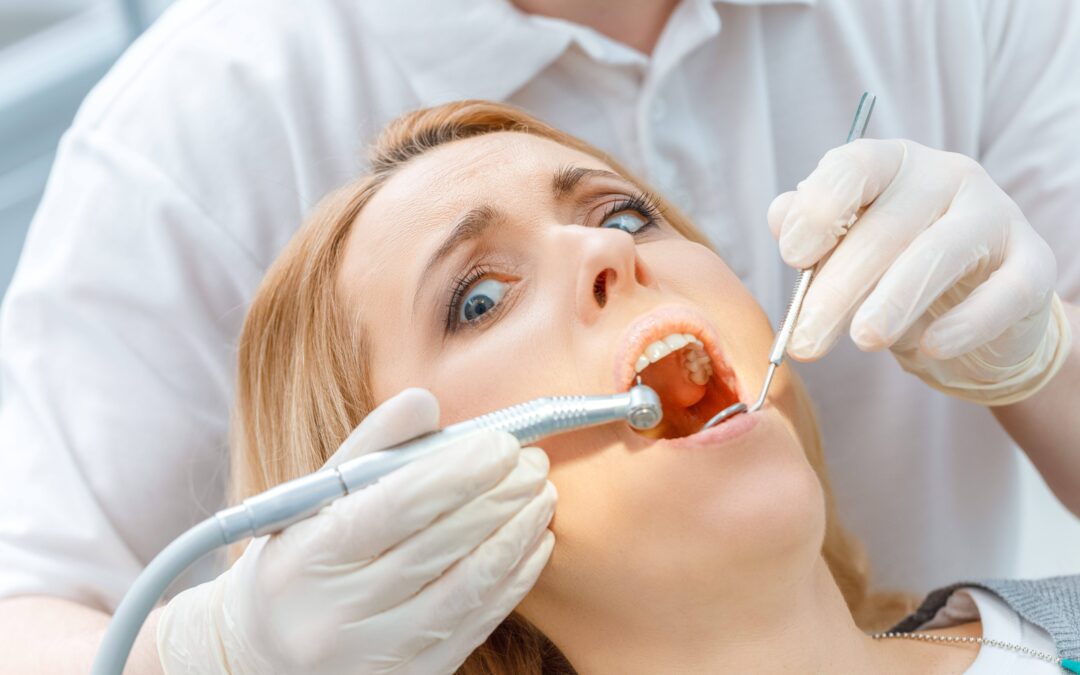
Does the thought of sitting in a dental chair make your heart race or cause you to postpone treatment? Dental anxiety can affect people who otherwise understand the value of regular oral care. Fear of pain, needles, unfamiliar sounds, loss of control, or a previous difficult dental visit can make even a routine appointment feel overwhelming.
At Gibbons Dental, Dr. J. Gibbons understands that anxiety deserves to be taken seriously. Avoiding dentistry because of fear can allow manageable dental problems to become more complicated. Sedation Dentistry In Gilbert offers another approach. Sedation can reduce anxiety and help patients remain calmer while receiving necessary care. Understanding how sedation works, what options exist, and what happens during an appointment can make taking that first step feel more manageable.
What Is Dental Anxiety, and Why Does It Make Treatment Difficult?
Dental anxiety is nervousness, fear, or distress related to dental visits or procedures. It ranges from mild uneasiness to intense fear that makes attending an appointment difficult.
Common triggers include:
- Fear of injections or discomfort
- Previous negative dental experiences
- Sensitive teeth or gums
- A strong gag reflex
- Anxiety about dental sounds or instruments
- Feeling unable to control what happens during treatment
- Concern about needing extensive dental work
Some patients feel anxious days before an appointment. Others become tense only after entering the treatment room. Both reactions are valid clinical concerns that should be discussed with the dental team.
How Does Sedation Dentistry Help With Dental Anxiety?
Sedation dentistry uses medication to reduce fear, tension, and awareness during dental procedures. Depending on the level used, patients may remain fully responsive, become deeply relaxed, or sleep through treatment.
Sedation does not replace every other comfort measure. Local anesthesia may still be used to control discomfort in the treatment area. The purpose of sedation is primarily to manage anxiety and help create a calmer treatment experience.
For someone who has repeatedly postponed fillings, root canal therapy, oral surgery, or routine care because of fear, discussing sedation dental options can make treatment feel more achievable.
What Sedation Dental Options Are Available for Anxious Patients?
The right level of sedation depends on anxiety severity, medical history, treatment complexity, and expected appointment length. Gibbons Dental offers several levels of sedation so care can be planned around each patient.
Nitrous Oxide Sedation
Nitrous oxide, commonly called laughing gas, is inhaled through a small mask placed over the nose. It takes effect quickly and creates a relaxed feeling while the patient remains awake and responsive.
Its effects also wear off relatively quickly after treatment, making it useful for patients who need lighter anxiety control.
Moderate Sedation
Moderate sedation creates a deeper level of relaxation. Patients remain conscious and responsive but may feel significantly less concerned about what is happening around them.
This may be considered when mild sedation is insufficient or when treatment requires more time.
Deep Sedation and General Anesthesia
Deep sedation produces a much lower level of awareness. General anesthesia places the patient fully asleep. These approaches may be considered for extensive procedures or patients who require a greater degree of anxiety management.
Choosing among these sedation options requires a clinical evaluation rather than simply selecting the strongest available option.
How Does a Dentist Decide Which Level of Sedation You Need?
A responsible sedation plan starts before treatment. Your dentist needs to understand both your health and your anxiety.
A sedation dentist in Gilbert may review your medical conditions, medications, previous reactions to anesthesia or sedation, anxiety level, and planned procedure. Treatment length and the level of cooperation required also matter.
This evaluation is important because two people with similar dental fears may need very different approaches. Gibbons Dental considers these factors when discussing sedation dentistry in Gilbert and the appropriate level of care.
If fear has kept you from receiving the treatment you need, contact us and explain your concerns before your appointment. That conversation can help the dental team prepare for your visit.
Is Sedation Dentistry Only for Severe Dental Phobia?
No, sedation can help more than patients with severe dental fear. It may also support people with a sensitive gag reflex, difficulty sitting still, low pain tolerance, sensitive teeth, or lengthy treatment needs.
Consider a patient who needs several procedures but becomes tense after a short time in the dental chair. Appropriate sedation may help that patient remain comfortable enough for a longer appointment. This can sometimes reduce the need to divide care across multiple visits.
The sedation dental options available should always match the patient’s clinical needs rather than anxiety alone.
What Should You Expect Before and After Dental Sedation?
Before sedation, provide a complete list of medications, supplements, allergies, and medical conditions. Follow all instructions about eating, drinking, and medication use.
Recovery depends on the type of sedation. Nitrous oxide generally wears off quickly. Deeper forms of sedation can affect alertness for longer periods and may require another adult to drive you home.
Never assume you can drive after sedation. Follow the instructions provided by your dental team. Planning transportation and recovery time before your appointment can reduce unnecessary stress on the day of treatment.
Can Sedation Help You Stop Avoiding the Dentist?
Sedation does not automatically eliminate dental anxiety, but it can help remove a major barrier to care. A calmer appointment can also give patients a more manageable experience to associate with future dental visits.
This matters because postponing treatment does not resolve the underlying dental condition. Cavities, damaged teeth, gum problems, and infections should receive appropriate evaluation.
A sedation dentist in Gilbert can help determine whether anxiety-management techniques, sedation, or a combination of approaches may help you receive care without feeling overwhelmed.
Take the Next Step Toward More Comfortable Dental Care
Dental fear should not prevent you from discussing the care your teeth and gums need. A thoughtful evaluation can identify your anxiety triggers and determine whether Sedation Dentistry in Gilbert is appropriate for your health, comfort level, and planned procedure.
At Gibbons Dental, Dr. J. Gibbons and the dental team can explain your sedation choices before treatment so you know what to expect. If anxiety has caused you to postpone dental care, visit our dental office to discuss your concerns and schedule an appointment. A conversation about comfort may be the first practical step toward receiving dental care with greater confidence.
FAQs
Q.1. Can I ask for sedation even if I only need routine dental treatment?
Yes. Tell the dental team if anxiety makes routine care difficult. Sedation is not automatically necessary for every nervous patient, so the dentist will first assess your concerns, health history, and planned treatment. An evaluation can determine whether sedation or another anxiety-management approach is appropriate for your appointment.
Q.2. Will I still feel pain while I am sedated?
Sedation mainly reduces anxiety and awareness. Dentists commonly use local anesthesia separately when a procedure requires the treatment area to be numb. The exact approach depends on the procedure and the level of sedation. Discuss any previous dental discomfort before treatment so the dental team can plan appropriate comfort measures.
Q.3. Can I receive sedation if I take prescription medications?
Possibly, but your dentist needs an accurate medication list first. Prescription drugs, over-the-counter medications, supplements, and certain medical conditions can affect sedation planning. Never stop a prescribed medication without guidance from the appropriate healthcare professional. A pre-treatment review helps determine which approach may be suitable.
Q.4. Will I remember my dental procedure after sedation?
That depends on the sedation method and how your body responds. Patients receiving lighter sedation may remember most of their appointment. Deeper levels can reduce awareness and memory of the procedure. Ask the dental team what level of alertness and recall you can reasonably expect before deciding on sedation.
Q.5. What should I tell the dentist if I have severe dental anxiety?
Be specific about what causes your fear. Mention needles, previous painful treatment, gagging, dental sounds, loss of control, or any history of panic during appointments. This information helps the dentist evaluate suitable sedation dental options and other comfort measures before treatment begins.