
Few dental symptoms capture our immediate attention quite like deep, persistent tooth pain. Whether you are enjoying a meal near Heritage District or relaxing at home after a busy week in the East Valley, a throbbing toothache can disrupt your daily routine and make simple tasks uncomfortable. Many patients immediately fear the worst when they feel dental discomfort, assuming that severe pain automatically means losing a tooth. However, modern restorative dentistry offers a reliable, comfortable solution designed specifically to save your natural tooth: root canal treatment.
At Gibbons Dental, our compassionate team, led by Dr. David Gibbons, Dr. Daniel Gibbons, and Dr. Junius Gibbons, is committed to providing gentle, high-quality care that relieves pain and restores your oral health. If you are experiencing dental discomfort, receiving timely root canal therapy in Gilbert can mean the difference between saving your natural tooth structure and requiring an extraction. Visit our dental office today for a comprehensive evaluation.
In this guide, we will walk you through the primary warning signs that indicate an infected tooth pulp, explain what happens during treatment, and share practical advice on how to safeguard your smile.
What Is Root Canal Therapy and Why Is It Necessary?
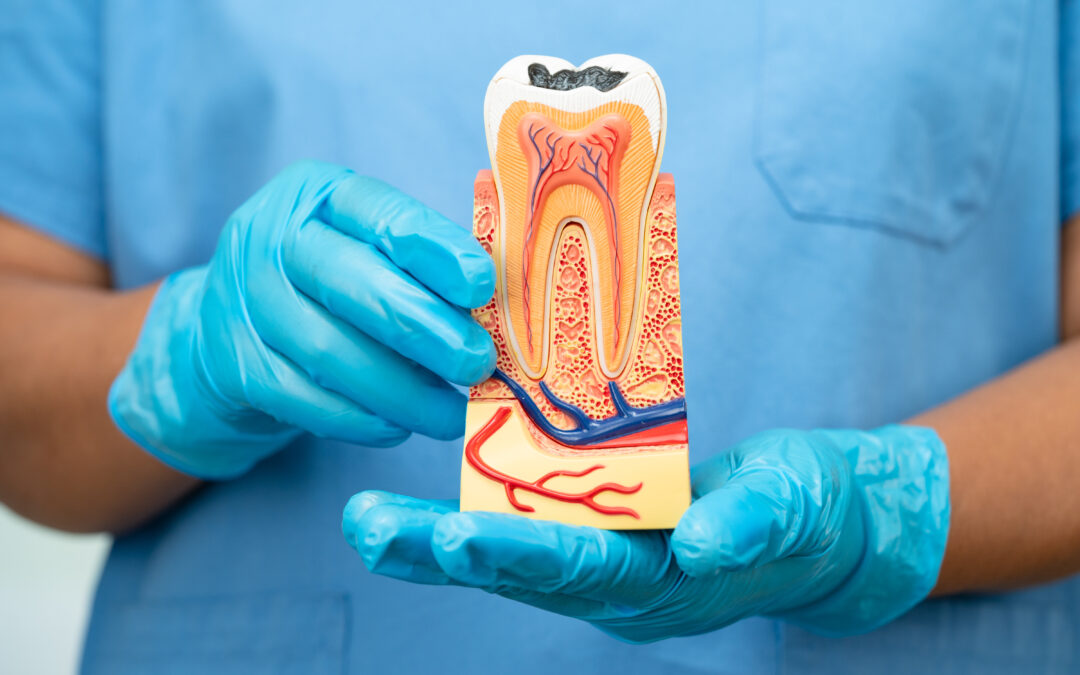
To understand why a root canal becomes necessary, it helps to look inside the tooth. Bound beneath the hard outer layers of enamel and dentin lies a soft tissue core known as the dental pulp. The pulp contains vital blood vessels, nerves, and connective tissue that help feed the tooth during its growth and development.
When deep bacteria—caused by untreated cavities, cracked enamel, or physical trauma—infiltrate this inner chamber, the pulp becomes inflamed and infected. Because the nerve is housed inside a rigid space, inflammation creates intense pressure. Left untreated, the infected tissue breaks down, leading to severe discomfort, bone loss around the root tip, and potential abscess formation.
A root canal procedure gently removes the damaged nerve and tissue, cleans and disinfects the interior space, and seals the canals to prevent future bacterial intrusion.
Common Signs You May Need Root Canal Treatment
While a thorough evaluation with digital X-rays is the only definitive way to diagnose internal tooth decay, recognizing early symptoms empowers you to seek treatment before complications worsen. Here are five classic warning signs to watch for:
1. Severe, Persistent Tooth Pain
Spontaneous, throbbing pain is one of the most frequent indicators of pulpal inflammation. This discomfort often intensifies when you lie down or bite down on food. If you experience pain that lingers for hours or wakes you up in the middle of the night, it usually signals that the nerve inside your tooth is severely damaged or dying.
2. Prolonged Sensitivity to Hot and Cold
It is common to feel a fleeting twinge when drinking an icy beverage or hot coffee. However, if the sensation lingers for more than 20 to 30 seconds after the hot or cold trigger is removed, it points directly to compromised nerve tissue. Lingering temperature sensitivity indicates that the nerve fibers inside the pulp are actively inflamed.
3. Swollen, Tender, or Darkened Gums
Infection inside the tooth can extend past the root tip into surrounding gum tissue. You may notice:
- Localized swelling or tenderness in the gums adjacent to a specific tooth.
- A small pimple-like bump (fistula) on your gums that periodically drains fluid or leaves an unpleasant taste in your mouth.
- Gums that bleed easily around the affected area when brushing.
4. Deep Tooth Discoloration
When a tooth’s internal nerve dies or sustains trauma, blood breakdown products can stain the dentin from the inside out. This causes the tooth to take on a dark grey, brown, or purplish hue compared to surrounding teeth. If you notice a single tooth changing color, it often requires an internal evaluation.
5. Pain Upon Touching or Chewing
Pain when applying pressure to a tooth—such as chewing firm foods or tapping on the enamel—suggests that the ligaments surrounding the root tip are inflamed. Even if you do not feel constant aching, localized pressure sensitivity is a clear sign that inflammatory toxins are leaking out through the root apex into the jawbone.
Dispelling Common Myths About Root Canals
Misconceptions about dental procedures often cause patients to delay necessary care. Let us clarify two widespread myths:
Myth #1: Root canals are extremely painful.
Fact: Modern root canal treatment does not cause pain; it relieves it. Utilizing local anesthetics and precise digital instruments, the procedure feels similar to receiving a standard dental filling.
Myth #2: Extraction is always better than saving the tooth.
Fact: Nothing functions as effectively as your natural tooth. Extracting a tooth requires replacement options like implants or bridges to prevent neighboring teeth from shifting, whereas saving your tooth maintains natural bite alignment and jawbone structure.
How Root Canal Therapy Protects Your Long-Term Oral Health
Ignoring an infected tooth pulp will not cause the problem to resolve itself. As bacteria multiply, the infection can erode surrounding jawbone tissue and travel into adjacent facial spaces. By opting for timely root canal therapy in Gilbert, you achieve several long-term health benefits:
- Pain Elimination: Removing the inflamed nerve instantly halts throbbing discomfort and pressure.
- Preservation of Natural Architecture: Keeping your natural root structure maintains healthy jawbone density.
- Restored Function and Aesthetics: Placing a durable, custom porcelain crown over the treated tooth allows you to chew comfortably and smile with confidence.
- Protection Against Systemic Spread: Neutralizing the infection prevents bacteria from spreading to surrounding tissues or the bloodstream.
What to Expect During Your Root Canal Procedure
At Gibbons Dental, we prioritize your comfort from the moment you step through our doors. Our step-by-step care process ensures a predictable, relaxing experience:
- Comprehensive Evaluation: Dr. David Gibbons, Dr. Daniel Gibbons, or Dr. Junius Gibbons conducts a visual check and takes targeted low-radiation digital X-rays to assess the root structure and surrounding bone.
- Local Anesthesia: We thoroughly numb the treatment area, ensuring you remain comfortable throughout the procedure.
- Gentle Cleaning and Shaping: An opening is created in the crown of the tooth to access the pulp chamber. Micro-instruments carefully clean out infected tissue and shape the internal root canals.
- Disinfection and Sealing: The interior of the tooth is thoroughly disinfected with antibacterial solutions and sealed with a biocompatible material called gutta-percha.
- Final Restoration: Because a tooth without a nerve can become brittle over time, a custom dental crown is placed to rebuild full strength and aesthetic appearance.
Preventive Measures: How to Avoid Future Pulpal Infections
While root canal treatment successfully saves infected teeth, proactive prevention is always ideal. Protecting your teeth involves a few foundational habits:
- Brush Twice Daily with Fluoride Toothpaste: Clean all surfaces for two full minutes morning and night.
- Floss Every Day: Remove plaque and food particles trapped between teeth where standard toothbrush bristles cannot reach.
- Wear a Custom Nightguard: If you grind your teeth at night (bruxism), a mouthguard prevents micro-fractures that allow bacteria to breach the enamel.
- Schedule Regular Checkups: Bi-annual cleanings and exams allow your dentist to catch small cavities before they reach the nerve chamber.
Restore Comfort to Your Smile
You do not have to live with lingering tooth pain or dental anxiety. Working with compassionate practitioners ensures your treatment is smooth, efficient, and stress-free.
If you suspect you may need root canal therapy in Gilbert, turn to the proficient team at Gibbons Dental. Dr. David Gibbons, Dr. Daniel Gibbons, and Dr. Junius Gibbons take pride in treating every patient like family, offering personalized care tailored to your specific needs. Conveniently serving Gilbert and surrounding East Valley communities, our office is dedicated to keeping your natural smile healthy and pain-free.
Book an appointment today to take the first step toward lasting oral comfort!
FAQs On Root Canal Treatment
1. What are the most common signs that I may need a root canal?
Persistent tooth pain, prolonged sensitivity to hot or cold, pain when biting or chewing, swelling around the tooth, and a darkened tooth can be signs that root canal treatment may be needed.
2. Can a tooth need a root canal without causing severe pain?
Yes. Some teeth with an infected or damaged pulp may cause little or no pain, especially if the nerve inside the tooth has stopped functioning. A dental examination and X-ray can help identify the problem.
3. Does tooth sensitivity always mean I need a root canal?
No. Temporary sensitivity can have several causes, including worn enamel, gum recession, or a cavity. Sensitivity that is severe, persistent, or lingers after exposure to hot or cold should be evaluated by a dentist.
4. What happens if I delay root canal treatment?
Delaying treatment can allow an infection inside the tooth to worsen and potentially spread to surrounding tissues. Early evaluation can help protect the tooth and reduce the risk of more extensive dental problems.