
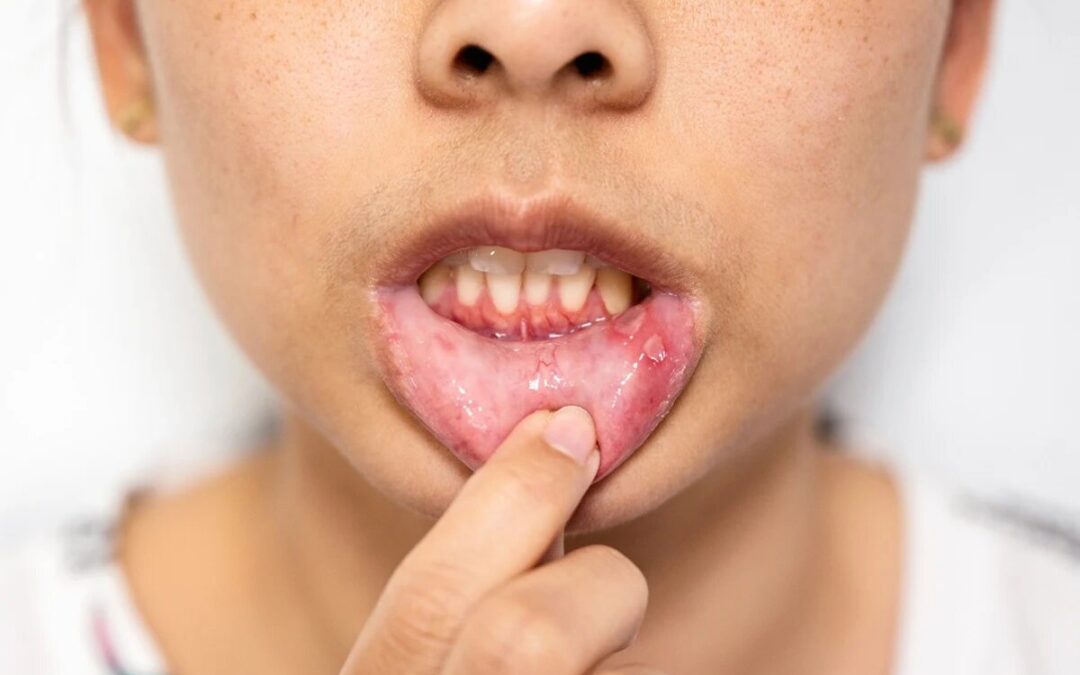
Bleeding gums are one of the earliest signs that something is affecting your oral health. Although many people assume occasional bleeding while brushing or flossing is normal, healthy gums should not bleed during routine oral hygiene. In many cases, persistent bleeding indicates inflammation caused by bacterial plaque that has accumulated along the gumline. Addressing the issue early helps prevent damage to the tissues that support your teeth and reduces the likelihood of more complex treatment later.
At Gibbons Dental, located in Gilbert, we believe patient education is an important part of maintaining lifelong oral health. Whether your symptoms are mild or becoming more noticeable, understanding the cause can help you take the right steps toward healthier gums. If you are looking for answers about gum disease in Gilbert, knowing why your gums bleed and how the condition is treated can help you make informed decisions before the problem progresses.
Why Healthy Gums Should Never Bleed
Healthy gum tissue forms a protective seal around each tooth. This seal helps keep bacteria away from the roots and supporting bone. When plaque remains on the teeth for an extended period, bacteria begin to irritate the gums, triggering an inflammatory response.
Inflamed gums become swollen, tender, and more likely to bleed during brushing, flossing, or even while eating certain foods. Although the bleeding itself may not cause pain, it is often the body’s way of signaling that the tissues need professional attention.
Ignoring these symptoms allows harmful bacteria to spread deeper below the gumline, increasing the risk of infection and long-term damage.
Common Causes of Bleeding Gums
Several factors can contribute to gum bleeding. Some are related to oral hygiene habits, while others are associated with overall health.
Plaque and Tartar Buildup
Plaque is a sticky bacterial film that constantly forms on the teeth. Without daily brushing and flossing, plaque hardens into tartar, creating an ideal environment for bacteria to thrive.
As bacteria continue to multiply, the gums become irritated and inflamed, making them more likely to bleed during everyday activities. Routine dental care and professional cleanings help remove plaque and tartar before they lead to more serious concerns.
Gingivitis
Gingivitis is the earliest stage of gum disease and one of the most common reasons for bleeding gums. At this stage, inflammation is limited to the gum tissue, making it highly treatable when addressed promptly.
Typical symptoms include:
- Red or swollen gums
- Tenderness during brushing
- Bleeding while flossing
- Persistent bad breath
Early gum disease treatment can often reverse gingivitis before permanent damage develops.
Periodontitis
When gingivitis remains untreated, bacteria spread beneath the gumline and begin affecting the bone and connective tissues that support the teeth. This advanced stage of gum disease is known as periodontitis.
Patients may notice:
- Gum recession
- Loose teeth
- Pain while chewing
- Changes in bite alignment
- Persistent gum bleeding
At this point, more comprehensive dental treatment becomes necessary to control infection and preserve the natural teeth.
Brushing Too Hard
Using excessive pressure while brushing or using a toothbrush with hard bristles may irritate already inflamed gums. Although brushing technique alone rarely causes ongoing bleeding, it can worsen existing inflammation.
A soft-bristled toothbrush and gentle circular motions are generally recommended to clean effectively without damaging the gums.
Inconsistent Flossing
Many people stop flossing because their gums bleed. In reality, irregular flossing often allows plaque to build up between the teeth, increasing inflammation.
Once plaque is consistently removed, the gums often become healthier, and bleeding gradually decreases.
Medical and Lifestyle Factors
Certain medical conditions and lifestyle habits may also contribute to bleeding gums.
These include:
- Diabetes
- Smoking or vaping
- Hormonal changes during pregnancy
- Vitamin C deficiency
- Vitamin K deficiency
- Dry mouth
- Blood-thinning medications
Your dentist will consider these factors when recommending the most appropriate gum disease treatment and overall dental treatment plan.
Warning Signs That Shouldn’t Be Ignored
Bleeding gums are often accompanied by other symptoms that suggest the gums require professional evaluation.
You should pay attention if you notice:
- Bright red or swollen gums
- Chronic bad breath
- Gum recession
- Teeth appearing longer than before
- Loose teeth
- Pus near the gumline
- Sensitivity while chewing
- Frequent gum bleeding during brushing
These symptoms often indicate that bacteria have spread beyond the gum surface, making prompt evaluation important.
How Dentists Diagnose the Cause of Bleeding Gums
A comprehensive examination helps determine why your gums are bleeding and how advanced the condition has become.
During your visit, the dentist may evaluate:
- Gum pocket measurements
- Areas of inflammation
- Plaque and tartar accumulation
- Gum recession
- Tooth mobility
- Digital dental X-rays when necessary
This information allows Dr. J Gibbons to identify the source of the problem and recommend the most appropriate dental treatment based on your individual needs.
Patients visiting Gibbons Dental in Gilbert for concerns related to gum disease receive a thorough periodontal evaluation to detect problems early and prevent further damage to the supporting tissues.
How to Stop Bleeding Gums
Many patients ask the same question: How can I stop my gums from bleeding?
The answer depends on addressing the underlying cause rather than simply treating the symptom. Improving daily oral hygiene is essential, but professional care is often necessary when plaque and tartar have accumulated beneath the gumline.
Improve Your Daily Oral Hygiene
Healthy habits make a significant difference in reducing inflammation.
Daily recommendations include:
- Brush twice each day using a soft-bristled toothbrush.
- Floss carefully every day.
- Replace your toothbrush every three to four months.
- Drink plenty of water throughout the day.
- Limit sugary snacks and beverages.
- Use an antimicrobial mouth rinse if recommended by your dentist.
Consistent dental care at home helps reduce bacteria and supports healthier gum tissue over time.
Schedule Professional Dental Cleanings
Even with excellent brushing and flossing habits, plaque can harden into tartar that cannot be removed at home.
Professional cleanings eliminate these deposits while allowing your dentist to monitor changes in your gum health before they become more serious. Early intervention often reduces the need for more extensive dental treatment in the future.
Treat Gum Inflammation Before It Progresses
Once inflammation begins affecting deeper tissues, home care alone is usually not enough.
Professional gum disease treatment removes bacteria below the gumline, reduces inflammation, and encourages the gums to heal naturally. The sooner treatment begins, the greater the opportunity to preserve healthy teeth and supporting bone.
Professional Treatment Options for Bleeding Gums
The most effective treatment depends on how advanced the condition has become. After a comprehensive evaluation, your dentist will recommend the approach that provides the greatest benefit while protecting your long-term oral health.
Professional Dental Cleaning
For patients with mild inflammation, a thorough professional cleaning removes plaque and tartar that contribute to gum bleeding. Combined with improved home hygiene, this level of dental care often restores healthier gums before more advanced treatment becomes necessary.
Scaling and Root Planing
When bacteria have spread below the gumline, scaling and root planing is frequently recommended. This deep-cleaning procedure removes bacterial deposits from the root surfaces and helps the gums reattach more effectively.
Scaling and root planing remains one of the most predictable treatments for moderate periodontal infection, helping prevent further progression.
Periodontal Maintenance
Patients who have previously received treatment for periodontal infection often benefit from periodontal maintenance visits. These appointments focus on removing bacterial buildup before it causes further inflammation and on monitoring gum health over time.
Regular maintenance plays an important role in protecting the results of gum disease treatment and reducing the risk of future complications.
Advanced Periodontal Therapy
In more advanced cases, additional dental treatment may be recommended to restore the health of the gums and supporting tissues. The appropriate approach depends on the extent of infection, bone loss, and the overall condition of your oral health.
Following a comprehensive evaluation, Dr. J Gibbons will explain your findings, discuss your options, and recommend the most appropriate gum disease treatment to help preserve your natural teeth whenever possible.
Can Bleeding Gums Heal Without Professional Treatment?
Some patients notice temporary improvement after brushing and flossing more consistently. However, if plaque and tartar have already accumulated below the gumline, home care alone is unlikely to resolve the underlying problem.
Persistent bleeding is often a sign that inflammation has progressed beyond the surface of the gums. Delaying care allows bacteria to continue affecting the supporting tissues, increasing the likelihood of more extensive dental treatment later.
If your symptoms persist for more than a few days or become more frequent, scheduling a professional evaluation is the safest course of action.
When Should You Schedule a Dental Visit?
Bleeding gums should never be considered a normal part of brushing or flossing. Professional evaluation is recommended if you experience:
- Bleeding every time you brush or floss
- Swollen, tender, or painful gums
- Persistent bad breath
- Gum recession
- Loose teeth
- Sensitivity while chewing
- Bleeding that continues for more than one week
Early diagnosis allows treatment to begin before irreversible damage occurs. Receiving timely gum disease treatment not only improves gum health but also helps protect the bone and tissues that support your teeth.
If you have noticed ongoing symptoms, visit our dental office for a comprehensive periodontal evaluation. Our team focuses on identifying the source of the problem, explaining every finding clearly, and recommending the right course of care before the condition progresses. Through preventive dental care, advanced diagnostics, and personalized treatment planning, we help patients restore healthier gums and maintain long-term oral health.
Take the First Step Toward Healthier Gums
Bleeding gums are your body’s way of signaling that something requires attention. Addressing the problem early can prevent complications, improve your comfort, and protect your smile for years to come. If you are looking for trusted care for gum disease in Gilbert, Gibbons Dental provides comprehensive periodontal evaluations and evidence-based gum disease treatment designed to restore healthy gums and support lasting oral health.
Whether your symptoms are mild or more advanced, our team is committed to helping you regain confidence in your smile. Contact us today to book an appointment and discover how professional care can help you achieve healthier gums in Gilbert.
Frequently Asked Questions
Q.1. Why Do My Gums Bleed Every Time I Brush?
Frequent bleeding during brushing is often caused by plaque buildup and gum inflammation. While brushing technique may contribute, persistent bleeding usually indicates an underlying issue that should be evaluated. Early treatment can help restore gum health before more extensive procedures become necessary.
Q.2. Can Bleeding Gums Heal On Their Own?
Mild irritation may improve with consistent brushing and flossing, but ongoing bleeding often requires professional care. A dental examination can determine whether plaque buildup, infection, or another condition is responsible and recommend the appropriate treatment.
Q.3. What Is The Most Effective Treatment For Bleeding Gums?
Treatment depends on the underlying cause. Professional cleanings may be sufficient for early inflammation, while deeper infections often require scaling and root planing or additional periodontal therapy. Your dentist will recommend the most appropriate approach after a thorough evaluation.
Q.4. Are Bleeding Gums Always A Sign Of Periodontal Disease?
Not always. Bleeding can sometimes occur because of aggressive brushing, hormonal changes, or certain medications. However, repeated bleeding should never be ignored because it is frequently associated with inflammation that requires professional attention.
Q.5. How Can I Reduce Bleeding Gums At Home?
Brush twice daily with a soft-bristled toothbrush, floss every day, stay hydrated, and follow your dentist’s oral hygiene recommendations. While these habits support healthier gums, persistent symptoms should still be evaluated to identify the underlying cause.