
Tooth damage rarely happens all at once. It builds up over time, with small cracks, worn edges, or a filling that no longer holds. Eventually, you start noticing discomfort while chewing or sensitivity that lingers longer than it should. That’s when a simple repair may no longer be enough.
In many cases, restoring the full strength of a tooth requires more than a patch. It requires reinforcement. This is where dental crown treatment becomes essential, not just to fix the tooth, but to protect it from further breakdown.
For patients balancing busy routines, outdoor activities, and a fast-paced lifestyle in this part of Arizona, dental crowns in Gilbert offer a practical, long-term solution that supports both function and appearance without constant worry.
Circumstances When a Tooth Needs a Dental Crown Beyond Filling
There’s a clear line between minor repair and structural restoration. Fillings work well when damage is limited. However, once a tooth loses significant structure, it becomes vulnerable.
A dental cap is typically recommended when:
- A tooth has a large cavity or a failing filling
- Cracks begin to affect chewing pressure
- A root canal has weakened the tooth
- Wear from grinding has reduced tooth height
At this stage, the goal is not just repair, but full coverage protection. Crowns act as a protective outer shell, helping distribute bite forces evenly and preventing further fractures.
Understanding the Mechanism of Dental Crown Treatment
Instead of focusing on definitions, it’s more useful to understand what the process looks like from a patient’s perspective.
The treatment is typically completed in two phases:
Preparing the Tooth for Strength
The damaged portion of the tooth is carefully reshaped. This creates space for the crown while preserving as much natural structure as possible. The goal is stability, not removal.
Custom Design for Fit and Function
A digital scan or impression is taken. This ensures the crown fits precisely with your bite. A temporary restoration is placed to protect the tooth.
Final Placement
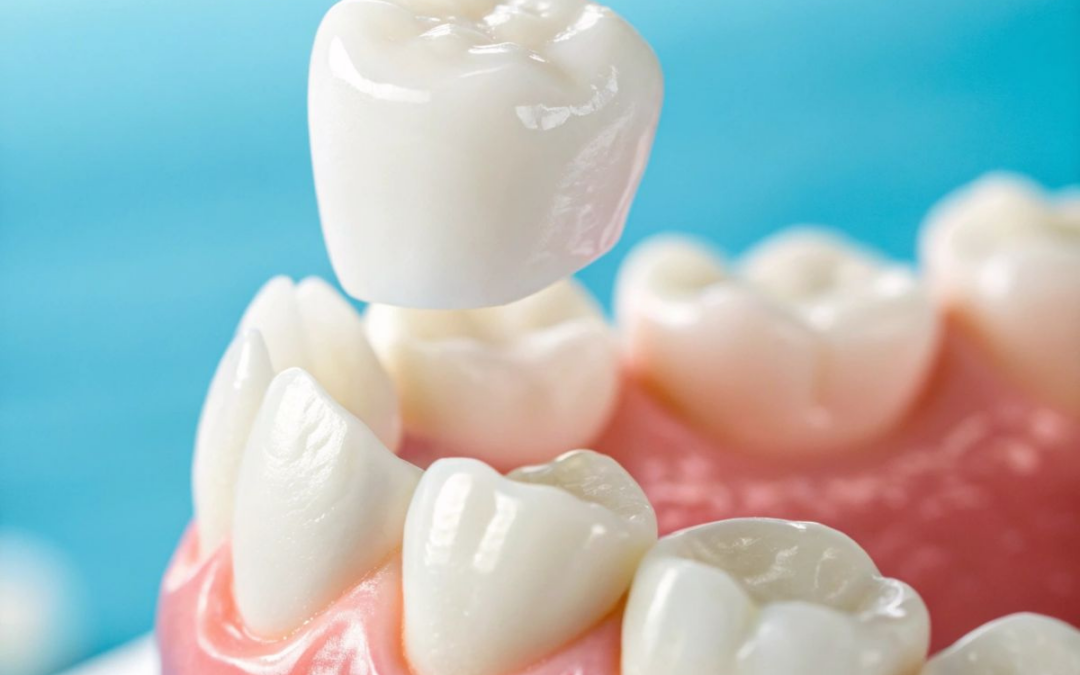
Once ready, the permanent crown is bonded securely. It restores the tooth’s original shape, allowing you to chew, speak, and function normally again.
Modern techniques focus on precision and comfort, making the process far more streamlined than most patients expect.
Role of Crowns Beyond Appearance
Many patients initially think of crowns as cosmetic. In reality, their primary role is structural.
A properly placed crown helps:
- Reinforce weakened teeth under pressure
- Restore normal chewing efficiency
- Maintain alignment by preventing shifting
- Protect against further decay or fracture
Without this reinforcement, compromised teeth often continue to deteriorate, eventually leading to extraction. Crowns help prevent that progression by stabilizing the tooth early.
They also restore confidence in everyday situations, such as eating, speaking, or even smiling, because the tooth feels reliable again.
Choosing the Right Type of Crown for Your Lifestyle
Not all crowns are the same, and the right option depends on how the tooth is used daily.
- Porcelain or ceramic crowns blend naturally with surrounding teeth, ideal for visible areas
- Zirconia crowns offer high strength with a more natural appearance
- Porcelain-fused-to-metal crowns balance durability and aesthetics
- Metal crowns provide exceptional longevity for back teeth under heavy pressure
The decision is usually based on function first, then appearance. For example, a molar used for chewing requires different durability than a front tooth.
What Most Patients Overlook Before Getting a Tooth Crown
The success of this procedure is not just about placement; it’s about timing and preparation.
Delaying treatment can lead to:
- Deeper cracks that extend below the gumline
- Increased sensitivity or infection
- More complex procedures later
Another commonly overlooked factor is bite alignment. If the cap is not designed to match your bite precisely, it can cause uneven pressure on surrounding teeth.
This is why digital scans and careful bite analysis are now standard in modern practices.
Life After Crown Placement: What to Expect?
One of the most common concerns is whether the crown will feel different. In reality, once placed correctly, it should feel like your natural tooth. You can:
- Eat comfortably without avoiding certain foods
- Speak without noticing any difference
- Maintain normal hygiene routines
These tooth caps are designed to integrate seamlessly into your bite. Over time, most patients forget which tooth has the crown.
Maintaining Your Crown for Long-Term Results
While these oral appliances are durable, they are not maintenance-free. Their longevity depends heavily on daily habits.
Simple steps make a difference:
- Brush and floss consistently to protect the surrounding gums
- Avoid biting hard objects like ice or pens
- Address grinding if present
- Keep up with routine dental visits
With proper care, these caps can last many years while continuing to protect the underlying tooth.
Dental Crowns: A Perfect Fit for Gilbert’s Active Lifestyle
Living in this city often means staying active, whether it’s weekend hikes, community events, or long days at work. Dental issues that interfere with eating or comfort can quickly become frustrating.
This treatment offers a practical solution because it:
- Restore function without ongoing adjustments
- Provide durability for everyday use
- Blend naturally without drawing attention
Rather than temporary fixes, they provide a stable, long-term approach that fits seamlessly into daily life.
When a Dentist Prescribes the Crown Treatment?
If you’ve been dealing with:
- Repeated repairs on the same tooth
- Sensitivity that keeps returning
- Visible cracks or wear
It may be time to consider a more definitive solution.
These caps are not just about restoring what’s damaged; they are about preventing what comes next.
Restore Dental Strength and Move Forward with Confidence
A weakened tooth rarely improves on its own. What starts as minor discomfort can quickly turn into more serious structural damage if left untreated. Acting early allows you to preserve more of your natural tooth and avoid more involved procedures later. It’s not just about restoring what’s damaged, it’s about preventing the next problem before it begins.
If you’ve noticed sensitivity, cracks, or repeated repairs on the same tooth, it’s time to look at a more lasting solution. A thorough evaluation can determine whether a crown is the right approach and help you move forward with clarity. Schedule your visit today and get the support you need to restore strength, function, and long-term confidence in your smile.